Are Tarot Cards Evil?
Tarot cards are not evil—they're simply illustrated cards used as tools for reflection, self-examination, and exploring questions or situations. The cards themselves have no inherent supernatural power; they work through symbolism and the reader's interpretation, much like journaling prompts or psychological tools. However, some religious traditions discourage or prohibit tarot use based on theological concerns about divination, which is worth understanding if you're navigating personal beliefs.


The Lovers and The Fool, two common tarot cards you may recognize.
Understanding the concern
The perception of tarot as evil typically stems from religious viewpoints, particularly within certain Christian traditions. Some religious communities interpret biblical passages as prohibiting divination practices, which they categorize tarot under. Verses like Deuteronomy 18:10-12 and Leviticus 19:26 are often cited as warnings against fortune-telling and attempting to predict the future through supernatural means.
For people from these faith backgrounds, the concern isn't necessarily that tarot cards themselves contain evil, but rather that using them might conflict with religious principles about trusting divine guidance or seeking knowledge through prayer rather than other methods.
This is a sincere theological position held by many people, and it deserves respect even if others don't share it. It's also worth noting that historically, tarot cards originated in 15th-century Italy as playing cards for games, not mystical tools. The association with fortune-telling came later, in the 18th century. The cards' occult reputation developed over time rather than being their original purpose.
What tarot actually does
From a practical standpoint, tarot functions as a mirror for your own thoughts and intuition. When you ask a question and draw cards, you're not summoning spirits or accessing supernatural forces. Instead, you're looking at symbolic imagery that prompts reflection and helps you examine a situation from different angles.
Think of it like this: when you draw The Tower, you're not magically causing upheaval in your life. Rather, the dramatic image of a struck building might help you recognize existing instability you've been ignoring, or prepare mentally for changes you sense coming. The card serves as a conversation starter with yourself.
Psychologists sometimes compare tarot to projective techniques like the Rorschach inkblot test. The images provide a framework for your subconscious to surface thoughts, feelings, and insights you might not access through straightforward questioning. The Three of Swords with its pierced heart might resonate with heartbreak you've been minimizing, while The Star's hopeful imagery might remind you of resilience you'd forgotten you possess.
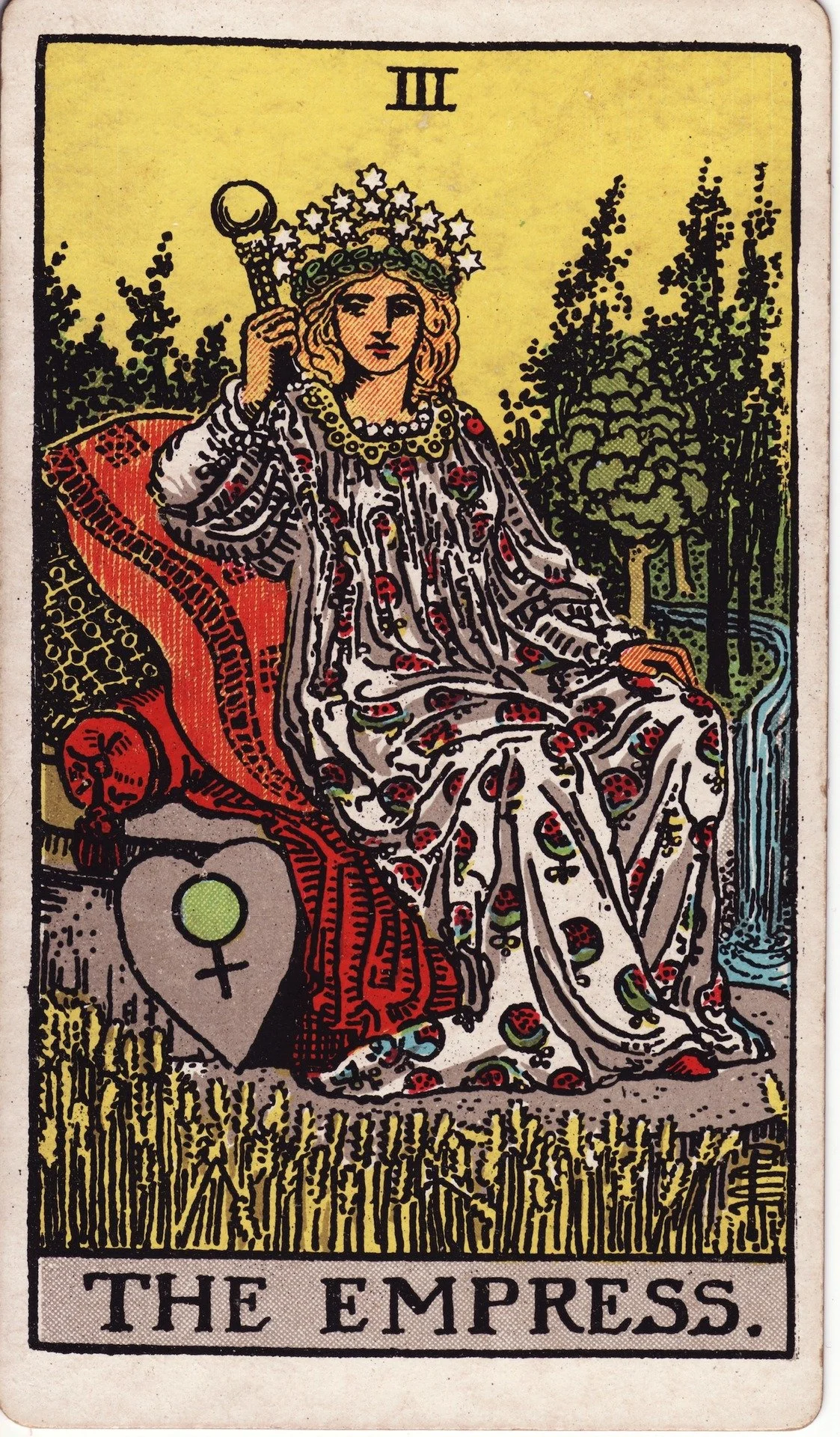
Many people use tarot purely for self-reflection and personal growth, similar to meditation or journaling. They approach the Major Arcana as archetypes representing universal human experience: The Fool's new beginnings, The Hermit's introspection, The Empress's nurturing energy. This psychological approach doesn't require belief in anything supernatural.

Making your own decision
If you're wondering whether tarot is right for you, consider your own beliefs and comfort level. Are you interested in tarot as a psychological tool, a creative practice, or something more spiritual? Does using it feel aligned with your values and faith tradition, or does it create genuine conflict?
If you're curious but cautious, you might start with a single card pull focusing on reflection rather than prediction; asking "What do I need to consider today?" rather than "What will happen?" This approach emphasizes tarot's contemplative aspects and might feel more comfortable as you explore whether the practice suits you.