Horseshoe Tarot Spread: How It Works and How to Read It
The horseshoe spread is a seven-card layout arranged in a curved arc, read from left to right. It sits comfortably between the three-card spread and the Celtic Cross in both size and scope, comprehensive enough to map a situation from its roots to its likely outcome, manageable enough that the reading doesn't become unwieldy. For situations that involve other people, external pressures, or competing influences, the horseshoe's dedicated positions for those factors make it one of the most practically useful layouts in tarot.
Seven positions. One arc. Each card builds on the previous one, and by the time you reach the seventh, you have a complete picture of where a situation has come from, what's shaping it now, and where it's most likely to go.
The Seven Positions
Position 1 — The Recent Past
The first card, at the far left of the arc, covers the recent past: the events, circumstances, or energies that directly preceded the current situation. This isn't the distant past or a card for deep historical roots; it's the immediate backstory, the context that explains how things got to where they are now.
Position 2 — The Present
The second card captures the current situation as it stands. It reflects the dominant energy of the moment, what's most active, most relevant, and most influential right now. This card gives you the baseline from which everything else in the reading is understood.
Position 3 — Hidden Influences
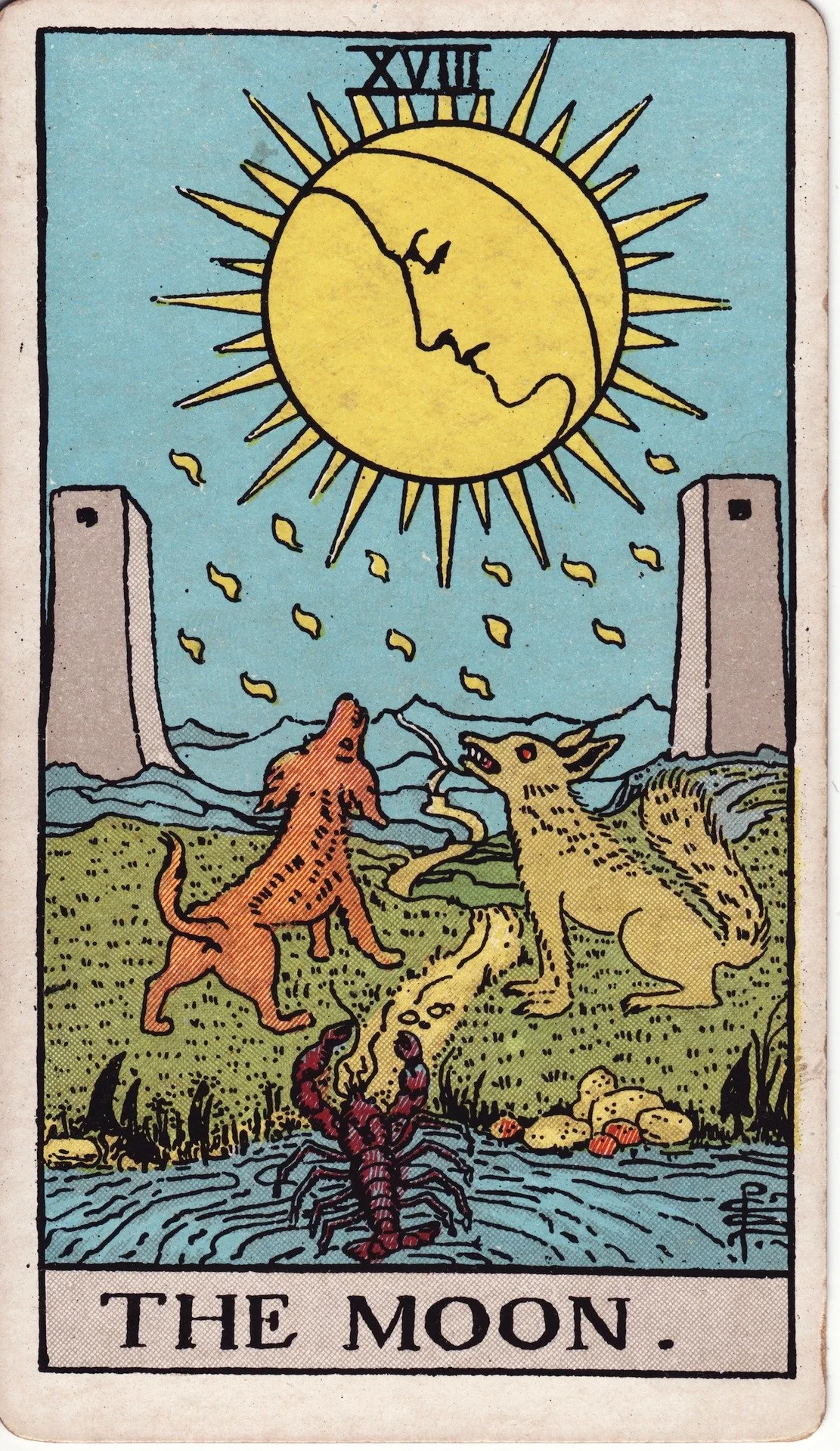
The third position is one of the most revealing in the spread. It surfaces what's operating beneath the surface: unconscious patterns, factors the querent hasn't fully acknowledged, or energies that are shaping the situation without being visible. The Moon here is one of the most instructive draws possible, it points directly to illusion, self-deception, or something that hasn't yet come fully to light.
Position 4 — Obstacles
The fourth card, at the base of the arc, identifies what's blocking progress or complicating the situation. This isn't necessarily an external barrier; obstacles in tarot are just as often internal: fear, avoidance, or a pattern of thinking that keeps the querent stuck. The Hanged Man in this position often signals that the obstacle is a refusal to shift perspective rather than anything in the external world.
Position 5 — External Influences
The fifth position addresses the people, circumstances, and energies around the querent that are affecting the situation. This is what distinguishes the horseshoe from smaller spreads — it gives external influence its own dedicated card rather than folding it into a general present or future position. Relationships, social dynamics, the attitudes of people around you: all of this belongs here.
Position 6 — Recommended Action
The sixth card suggests the most productive course of action given everything the reading has revealed. It's advisory rather than predictive, a pointer toward what the querent can actively do in response to the situation. Strong, direct cards in this position (the Aces, The Chariot, the Knights) typically call for decisive movement. More reflective cards suggest that the best action is internal rather than external.
Position 7 — The Likely Outcome
The final card, at the far right of the arc, shows where the situation is most likely to head if current energies and the recommended action are followed. As with any outcome card in tarot, it reflects probability rather than certainty, the trajectory the reading is pointing toward, not an inevitable end.


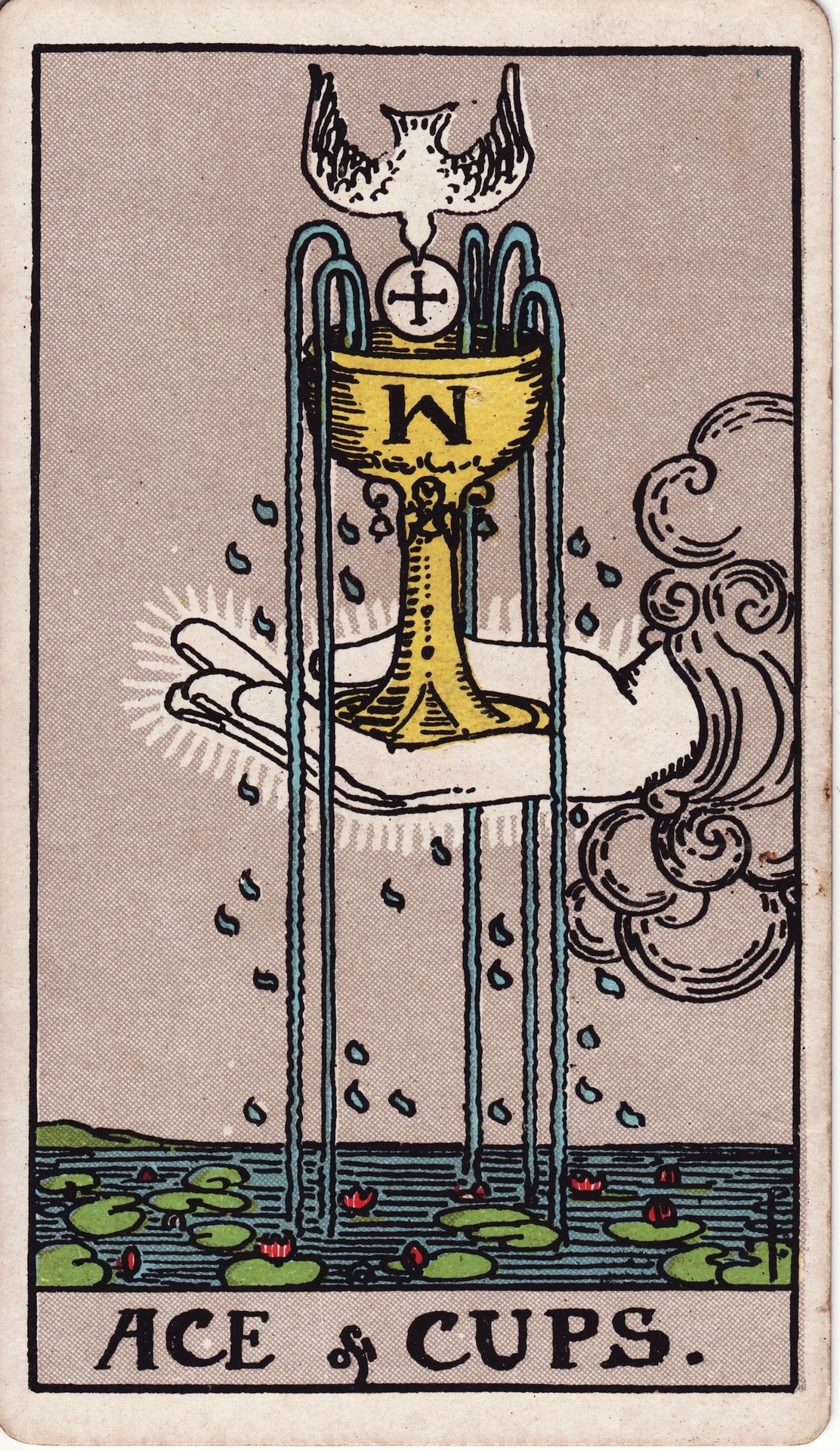
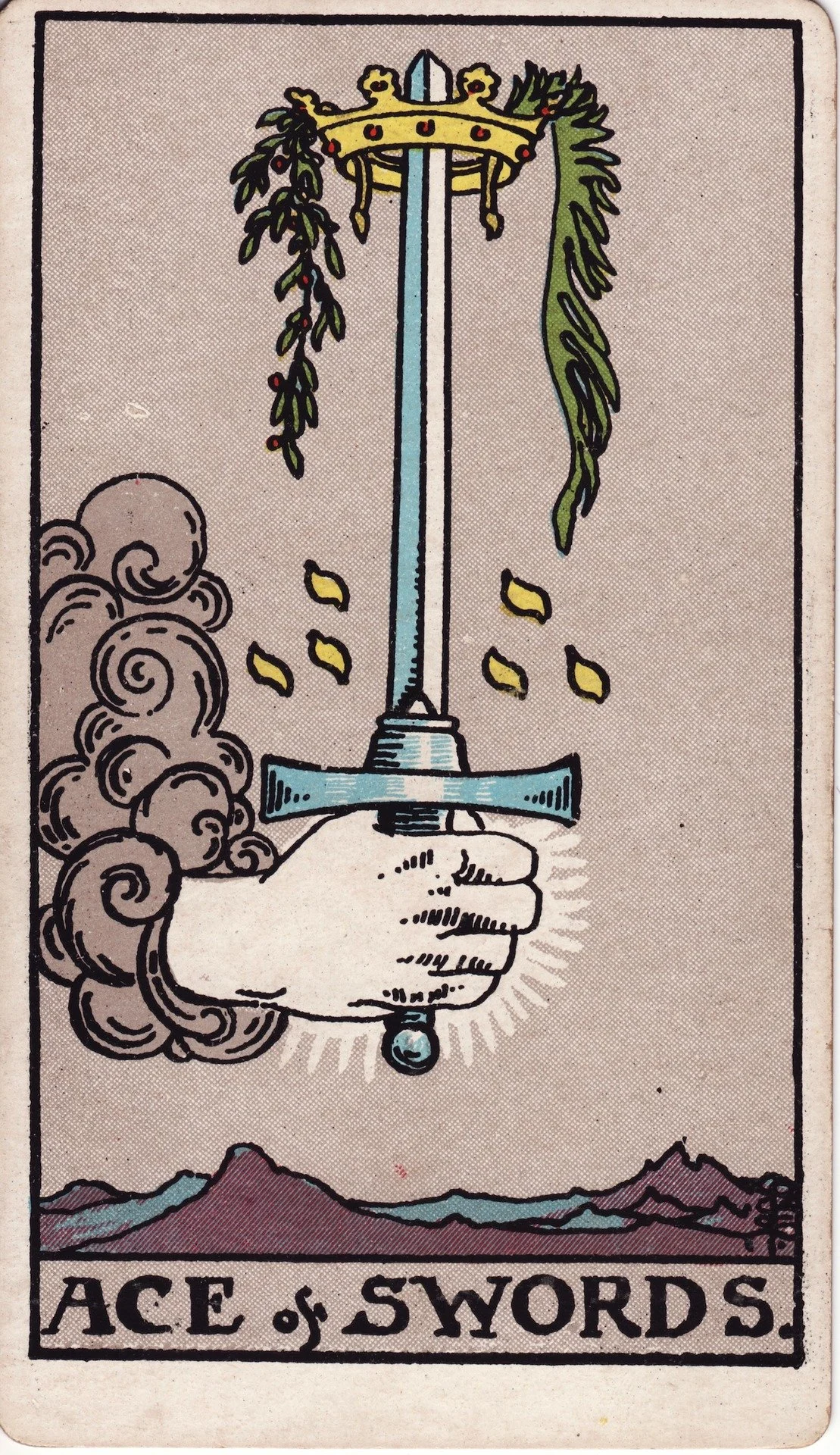
The four Aces (Ace of Pentacles, Ace of Cups, Ace of Wands, and Ace of Swords) are four of the most powerful cards in the deck.
How to Do a Horseshoe Reading
Establish your question before you shuffle. The horseshoe handles complex, multi-faceted situations well, so questions with some depth are appropriate here — more so than for a three-card pull. Shuffle with your question in mind, draw seven cards, and place them face down in an arc from left to right.
Turn them over in order, from position one through seven. Interpret each card in its position as you go, then step back and read the arc as a whole. The reading moves through time — from past through present to future — while also moving through layers: from the visible (past, present) to the hidden (position three) to the active (obstacles, external forces) to the directional (action, outcome).
Reading the Arc as a Whole
The horseshoe's arc structure makes the movement of the reading visible. As you scan from left to right, notice whether the energy of the cards lightens or darkens, opens or tightens. A reading that moves from difficulty in the early positions toward openness in the later ones describes a situation that is resolving. The reverse — early ease giving way to complication — is a warning worth taking seriously.
Pay particular attention to the relationship between positions three and five: hidden influences and external influences. Together, they map what's shaping the situation from the inside and the outside. When both cards point in the same direction, when internal and external pressures are reinforcing each other, the situation has real momentum, for better or worse. When they pull in opposite directions, the reading often reveals a tension the querent is caught between.
The relationship between position four (obstacles) and position six (recommended action) is equally important. The action card is most usefully read as the direct response to the obstacle card, not a generic suggestion, but the specific move that addresses the specific blockage the reading has identified.
When to Use the Horseshoe Spread
The horseshoe is the right layout when a situation involves other people and you want external influence to have its own position rather than bleeding into a general present card. It's well suited to relationship questions, workplace dynamics, and any situation where you feel like external forces are playing a significant role but you're not sure how to factor them in.
It also works well as an upgrade from the three-card spread when a situation has developed enough complexity that three positions feel insufficient. Seven cards give you the full map without requiring the interpretive intensity of a ten-card Celtic Cross.
Explore more spread layouts: Tarot Spreads by Layout
Deepen your card knowledge:
Major Arcana · Cups · Swords · Wands · Pentacles