Tree of Life Tarot Spread: How It Works and How to Read It
The Tree of Life tarot spread places ten cards at the ten positions of the Kabbalistic Tree of Life — a diagram of existence drawn from Jewish mystical tradition that maps the structure of reality from pure divine consciousness down to the material world. Each position, called a Sephirah, corresponds to a specific sphere of being, and the card drawn for each position reflects the energy at work within that sphere.
It's the most philosophically layered spread in common use, and one of the oldest formal structures in tarot's history. The Major Arcana and the Tree of Life share deep symbolic roots, both emerged from the same Western esoteric tradition, and the connections between the 22 Major Arcana cards and the 22 paths connecting the Sephiroth have been studied and written about for centuries. Reading the Tree of Life spread well doesn't require mastery of Kabbalah, but some familiarity with the tradition enriches the reading considerably.
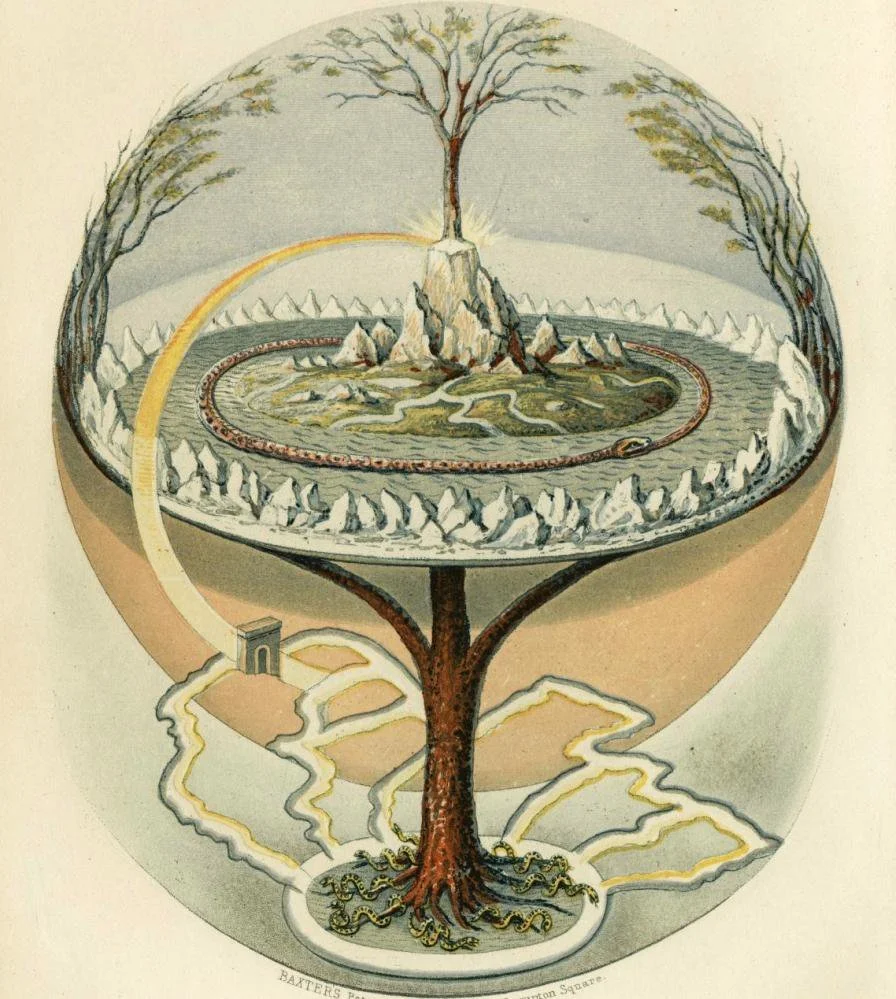
A Norse depiction of the Tree of Life.
The Ten Positions of the Tree of Life
The Tree of Life is traditionally read from the top down, moving from the most abstract and divine to the most concrete and material.
Position 1 — Kether: Crown
The topmost position represents pure consciousness, the divine spark, the point of origin. In a tarot reading, the card here reflects the highest or most essential truth about the situation — the overarching spiritual energy or purpose that underlies everything else. The Fool at the crown is a particularly resonant draw: it echoes Kether's quality of infinite potential, the state before any path has been chosen.
Position 2 — Chokmah: Wisdom
The econd position represents active, dynamic wisdom — the initiating force, the first movement out of pure potential. The card here reflects the driving energy or original impulse behind the situation: what set things in motion.
Position 3 — Binah: Understanding
Binah represents receptive understanding, form, and the principle that gives structure to raw energy. The card here reflects how the situation is being shaped and contained — what boundaries, structures, or forms are at work.
Position 4 — Chesed: Mercy
The fourth position governs expansion, abundance, and generosity — the benevolent force that builds and grows. The card here points to where growth, grace, or support is available in the situation.
Position 5 — Geburah: Strength
Geburah represents severity, necessary limitation, and the force that cuts away what doesn't serve. The card here reflects what needs to be confronted, released, or stripped back. The Tower in the Geburah position is striking — both speak to the same essential energy of disruption in service of clearing.
Position 6 — Tiphareth: Beauty
At the center of the Tree of Life, Tiphareth represents harmony, integration, and the heart. It's the balancing point between all the forces above and below it. The card here reflects the core of the situation as it stands — the central truth that brings everything else into alignment. This is often the most important card in the reading.
Position 7 — Netzach: Victory
Netzach governs emotion, desire, creativity, and nature. The card here reflects what the querent feels most deeply about the situation — the emotional and instinctive forces at work beneath rational thought.
Position 8 — Hod: Splendor
Hod governs intellect, communication, and analysis. Where Netzach is feeling, Hod is thinking. The card here reflects how the querent is mentally processing the situation — the thoughts, patterns, and communications that are shaping their understanding.
Position 9 — Yesod: Foundation
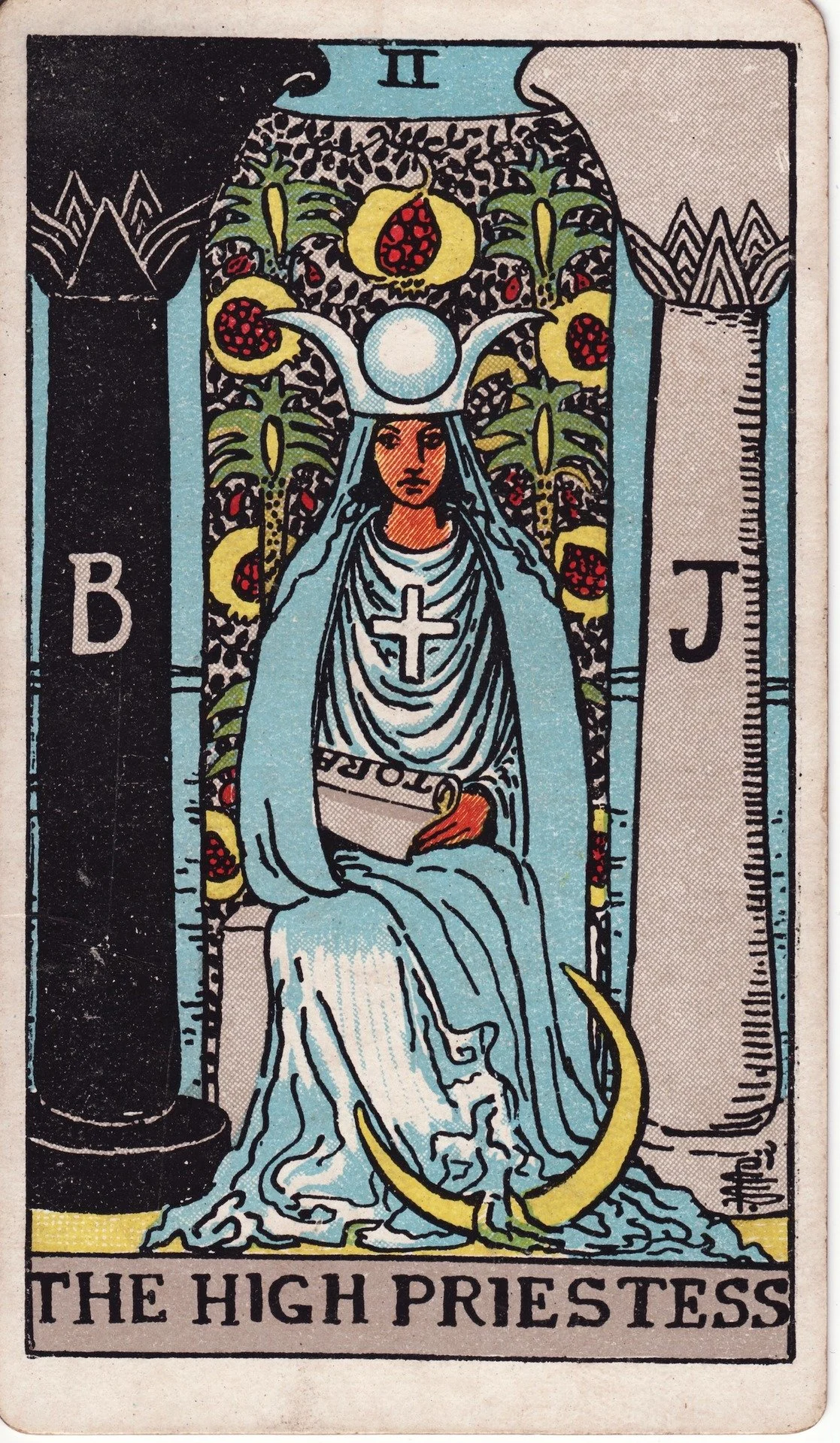
Yesod represents the unconscious mind, dreams, and the hidden patterns that underpin material reality. The card here surfaces what's operating at a subconscious level — the unseen foundation the situation is resting on. The High Priestess in this position is one of the most fitting draws in the spread: she embodies exactly the quality of hidden knowledge and unconscious knowing that Yesod represents.
Position 10 — Malkuth: Kingdom
The final position sits at the base of the tree and represents the material world, physical reality, and lived experience. The card here shows how all the energies above it are manifesting in concrete, practical terms — what the situation looks like on the ground level, in day-to-day life.


How to Do a Tree of Life Reading
Draw ten cards and place them in the traditional Tree of Life arrangement: one card at each of the ten Sephiroth positions, starting from Kether at the top and working downward through the tree. The conventional layout places Kether at the top center, with the remaining positions branching left and right as they descend, ending with Malkuth at the base center.
Turn the cards over starting from Kether and reading downward. Interpret each position before moving to the next, then read the full tree as a complete map before drawing conclusions.
Reading the Tree as a Whole
The Tree of Life spread is best read as a vertical journey from the most abstract to the most concrete. The upper positions (1 through 3) speak to spiritual and archetypal forces. The middle positions (4 through 6) describe the active dynamics — what's growing, what's being cut away, and where integration lies. The lower positions (7 through 10) bring the reading into the personal and practical: emotion, thought, the unconscious, and finally physical reality.
Reading down the center pillar — positions 1, 6, 9, and 10 — gives you the spine of the reading: from divine origin through the heart of the situation, through the unconscious, to material manifestation. This vertical line alone often captures the essential arc of whatever the querent is navigating.
Pay attention to the relationship between positions 7 and 8 — emotion and intellect. When these two cards are in harmony, the querent is integrated in how they're approaching the situation. When they're in tension, the reading is pointing to a split between how the querent feels and how they're thinking.
When to Use the Tree of Life Spread
The Tree of Life is best suited to questions of genuine depth — spiritual inquiry, significant life transitions, questions about purpose or direction that don't have a simple practical answer. It's the right spread when you want to understand not just what's happening but why, and how the situation connects to deeper patterns in the querent's life.
It's not the right layout for practical questions with specific outcomes. For those, the Celtic Cross tarot spread, or horse tarot spread, will give you more directly applicable guidance. The Tree of Life's strength is its philosophical depth, it asks big questions and returns big answers. Bring it out for readings that deserve that kind of treatment.
Explore more spread layouts: Tarot Spreads by Layout
Deepen your card knowledge: Major Arcana · Cups · Swords · Wands · Pentacles