How to Read Tarot Cards
Reading tarot cards is simpler than it looks: you ask a question, shuffle your deck, lay out cards in a pattern, and interpret what you see. While tarot has a reputation for mystery, the actual process is straightforward, it's a skill anyone can learn with practice, not a mystical gift you're born with.
Here's how to do your first tarot reading, step by step.
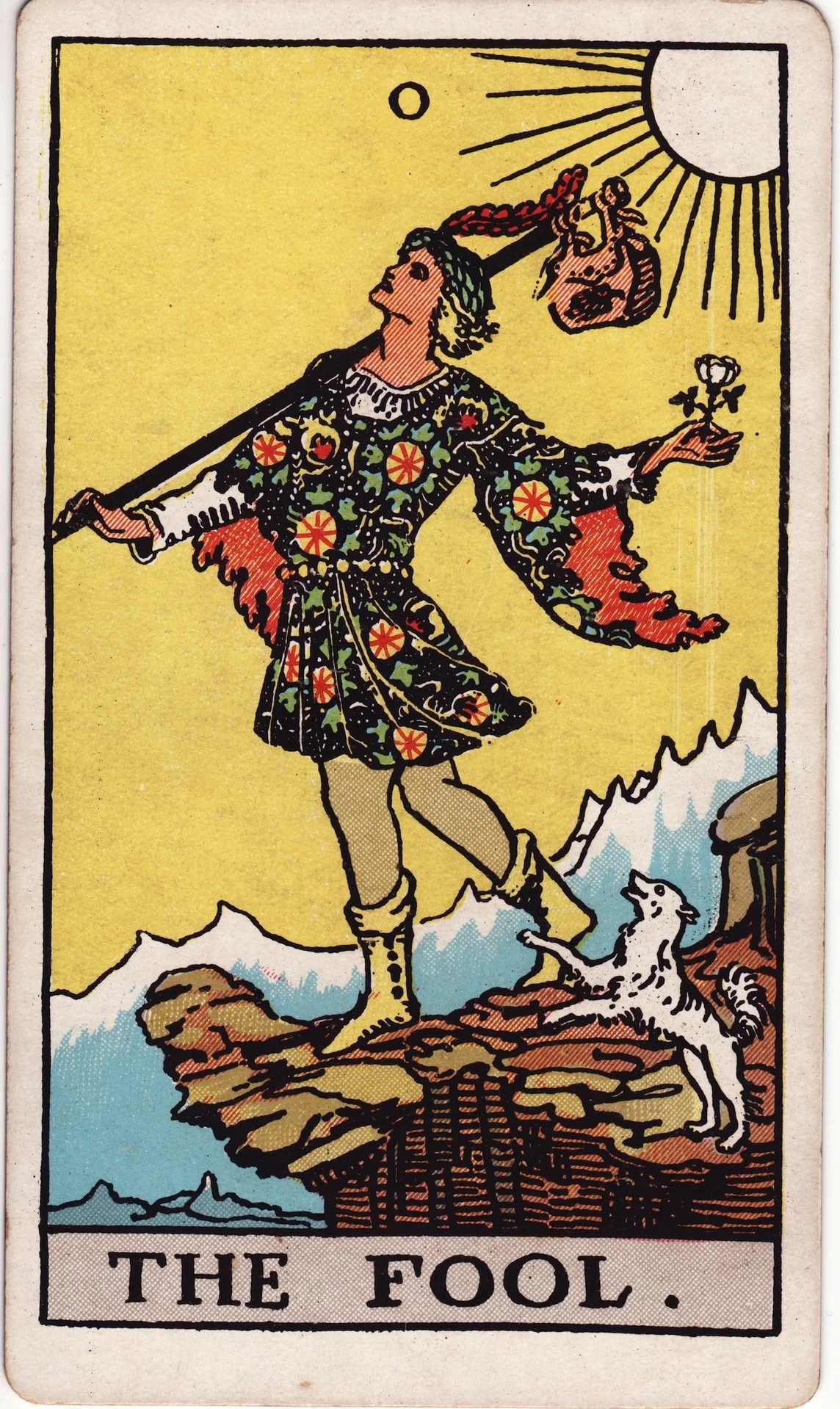
The Fool, the first card in the Major Arcana
Step 1: Understand Your Deck
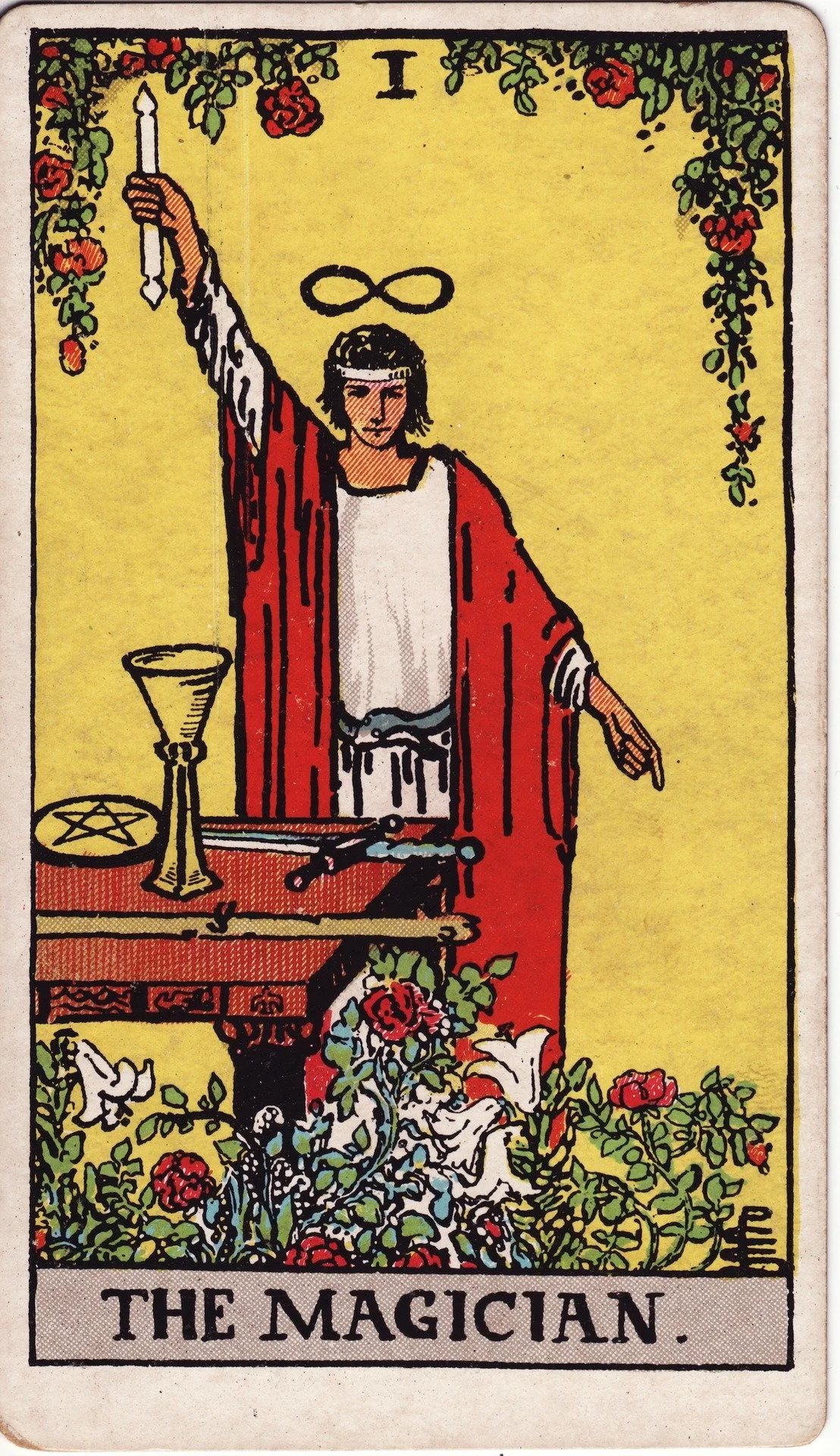
A tarot deck contains 78 cards split into two groups. The 22 Major Arcana cards (like The Fool, The Magician, and The Tower) represent major life themes and spiritual lessons. The 56 Minor Arcana cards reflect everyday situations and are divided into four suits: Wands (passion and action), Cups (emotions and relationships), Swords (thoughts and challenges), and Pentacles (material matters).
Before your first reading, spend time looking through your deck. Notice the imagery, colors, and symbols. You don't need to memorize meanings yet, just get familiar with your cards.

Step 2: Prepare Your Space and Formulate Your Question
Find a quiet spot where you won't be interrupted. Clear off a table or flat surface. Some readers light a candle or play soft music, but this is optional; what matters is that you can focus.
Now formulate your question clearly. Specific questions give better readings than vague ones. Instead of "What about my love life?" try "What do I need to know about my current relationship?" or "What energy should I bring to dating right now?" Avoid yes/no questions when starting out—tarot works better with "how," "what," or "why" questions.
Step 3: Shuffle While Focusing on Your Question
Hold your deck and think about your question as you shuffle. There's no wrong way to shuffle, use whatever method feels comfortable. Some people do a standard overhand shuffle, others spread cards face down on the table and mix them around.
Shuffle until it feels right to stop. You might sense a moment of completion, or a card might fall out of the deck (many readers consider this significant). Trust your instinct here.
Step 4: Choose and Lay Out Your Spread
A spread is the pattern you'll arrange your cards in. Each position in the spread has a specific meaning. Start with one of these beginner-friendly options:
One-Card Draw: Pull a single card for daily guidance or a simple answer. This is perfect for building familiarity with your deck.
Three-Card Spread: Draw three cards and read them as past-present-future, or situation-action-outcome, or challenge-advice-result. This spread offers meaningful insight without overwhelming you.
Celtic Cross: Once you're comfortable, try this ten-card spread for complex situations. It covers everything from underlying influences to hopes and fears to likely outcomes.
Draw your cards from the top of the shuffled deck (or wherever feels right) and place them face-down in your chosen pattern. Then flip them over one at a time.
Step 5: Interpret Each Card
Start by simply looking at each card. What draws your eye? What feeling does the image evoke? This intuitive response matters just as much as traditional meanings.
Notice the basic elements. Is it a Major Arcana card suggesting a significant theme? Which suit is it if it's Minor Arcana? The imagery tells a story: The Lovers show connection and harmony with its Adam and Eve association, while The Star offers hope through its serene figure under starlight.
Consider the card's position in your spread. A card meaning "past influences" reads differently than the same card in a "future outcome" position. The Hermit in a past position might show a period of isolation you've moved through, while in a future position, it could suggest an upcoming time for introspection.
If you're reading reversals (upside-down cards), these often indicate blocked energy, delays, or internalized versions of the upright meaning. Many beginners skip reversals at first; that's perfectly fine.
Step 6: Read the Cards Together
Now look at how your cards relate to each other. Cards don't exist in isolation, they create a narrative.
Notice patterns: Multiple Major Arcana cards suggest important life themes at play. Several cards from one suit show where energy is concentrated; many Swords might indicate overthinking, while multiple Cups point to emotional matters. Court cards (Pages, Knights, Queens, Kings) can represent actual people or different personality aspects.
Look for the story flowing through your spread. Does The Chariot's determination in one position lead to a challenging card like the Five of Swords in the next? Like Temperance, which emphasizes balance and integration, your interpretation should blend the cards into a cohesive message rather than reading each in complete isolation.
Step 7: Reflect and Record
Take a moment to consider how the reading relates to your question. What stands out? What surprises you? What feels accurate?
Write down your reading, the question, the cards you drew, your interpretation, and how you felt about it. Over time, you'll notice patterns in how certain cards appear and develop personal associations that deepen traditional meanings.
Reading tarot is a skill that improves with practice. Read for yourself regularly before reading for others. Try pulling a daily card each morning and reflecting on it each evening. Notice how cards show up in your life.
Start simple, trust yourself, and let your practice develop naturally. Every reader interprets cards slightly differently, and you'll discover your own style as you work with your deck.