Rider-Waite Tarot Deck
The Rider-Waite tarot deck, published in 1909, is the most influential and widely recognized tarot deck in the English-speaking world. Created by artist Pamela Colman Smith under the direction of mystic Arthur Edward Waite, it revolutionized tarot by illustrating all 78 cards with detailed scenes, including the Minor Arcana, which previously featured only pip symbols like playing cards.
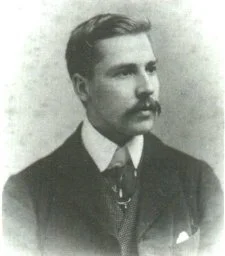
Arthur Edward Waite (left),
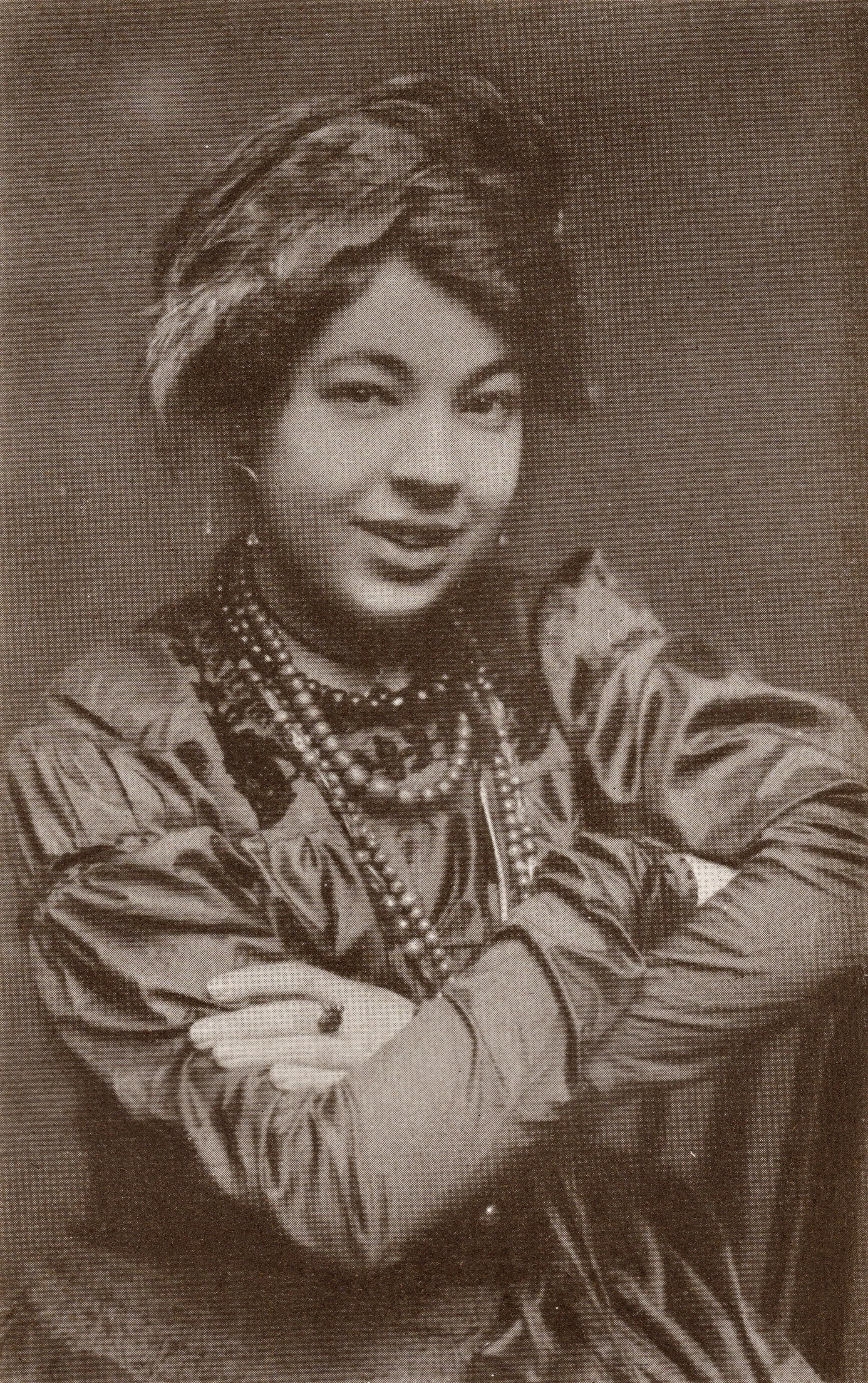
Pamela Colman Smith (right)
History and Creation
Arthur Edward Waite, a member of the Hermetic Order of the Golden Dawn, commissioned Pamela Colman Smith to create a tarot deck that would make esoteric symbolism accessible to a broader audience. Smith, a talented illustrator and fellow Golden Dawn member, completed all 78 card designs in just six months. The deck was published by the Rider Company in London, which is why it carries the Rider name despite Smith being the actual artist.
The deck is sometimes called the Rider-Waite-Smith (RWS) deck or simply the Waite-Smith deck in recent years, acknowledging Smith's essential artistic contribution. For decades, Smith received little recognition or financial compensation for her work, though modern tarot communities increasingly celebrate her legacy.
Waite incorporated symbolism from various mystical traditions including Kabbalah, alchemy, astrology, and Christian mysticism. However, he deliberately made the imagery more approachable than earlier esoteric decks. This balance between depth and accessibility explains much of the deck's enduring popularity.
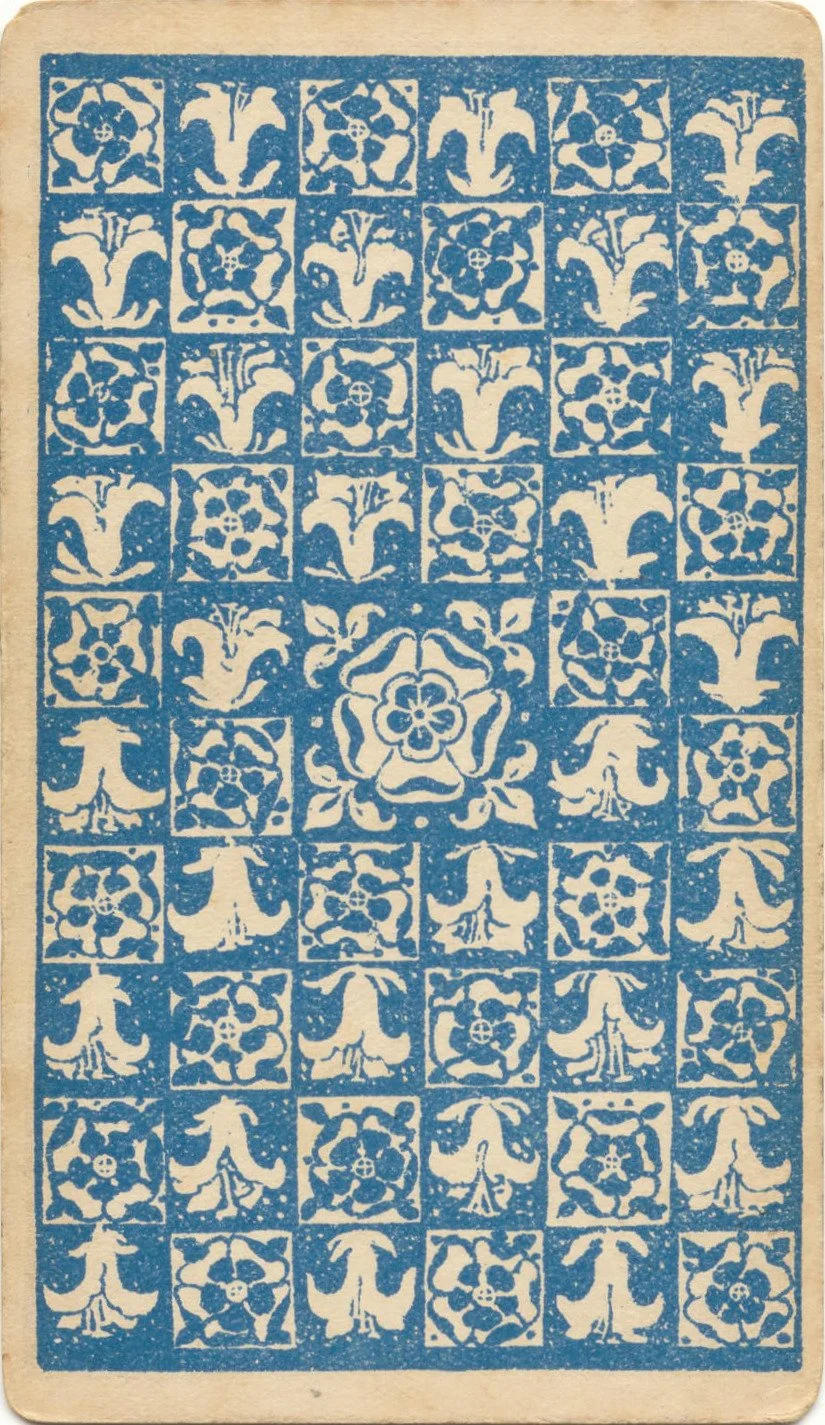
The original 1909 cardback of the Rider-Waite-Smith deck.
Visual Style and Imagery
Smith's distinctive illustrative style defines the Rider-Waite aesthetic. The cards feature figures in medieval or Renaissance-inspired clothing, set against simple backgrounds with bold color choices, primarily yellow, blue, green, and red. The line work is clear and somewhat naive in style, prioritizing symbolic clarity over realistic detail.
What made this deck revolutionary was Smith's decision to illustrate every Minor Arcana card with a scene depicting the card's meaning. Previous decks showed the Three of Swords, for example, as simply three swords arranged decoratively. Smith drew three swords piercing a heart beneath stormy clouds, an instantly comprehensible image of heartbreak and painful truth. This innovation made the deck far easier for beginners to learn and influenced virtually every tarot deck created since.
The Major Arcana features iconic imagery that has become synonymous with tarot itself. The Fool skipping toward a cliff edge, The Magician with arms raised above and below, The Tower struck by lightning, The Star's serene figure pouring water, these images have been reproduced, reimagined, and referenced in countless subsequent decks.


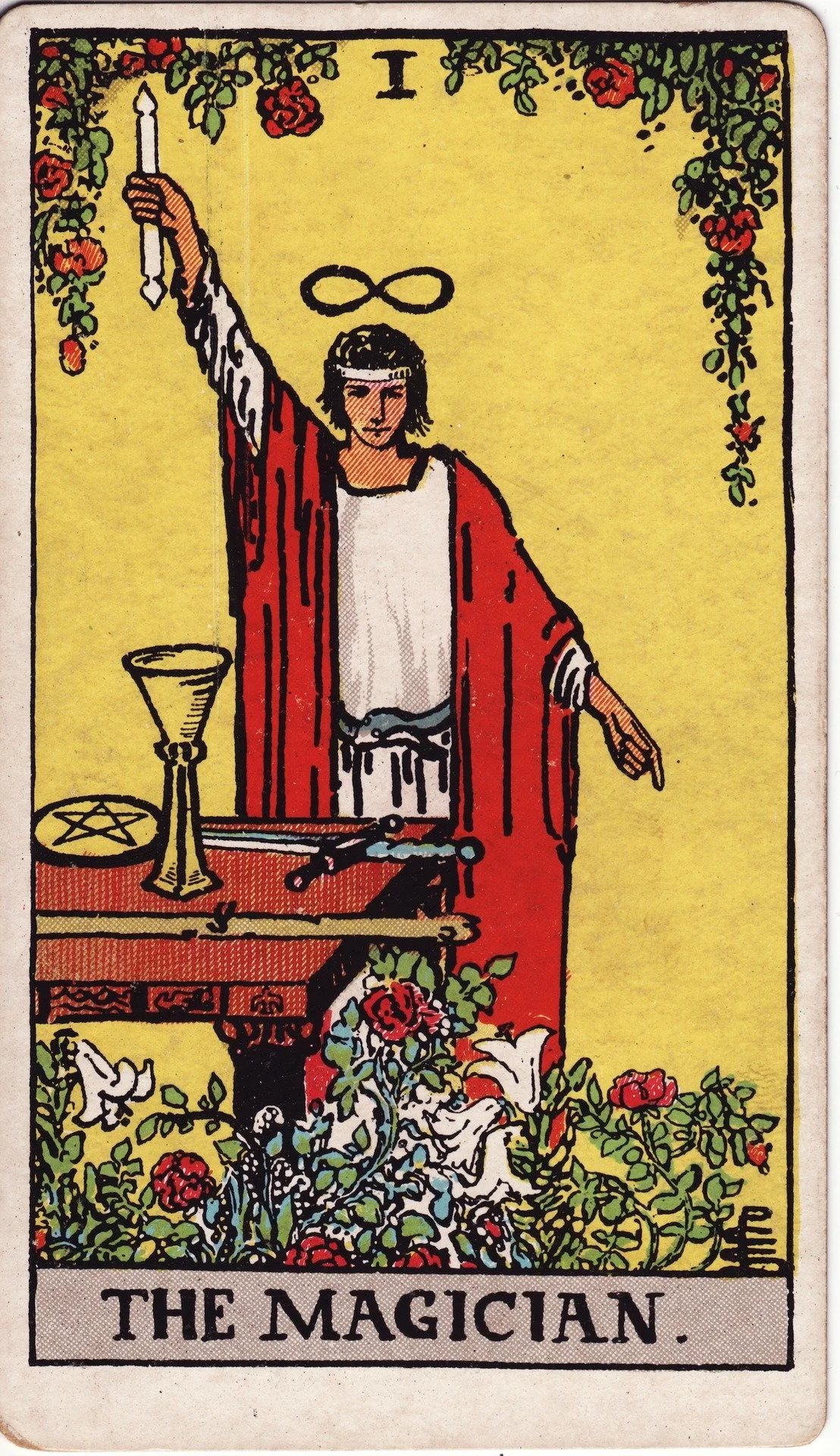

Top to bottom, left to right: The Fool, The Magician, The Tower and The Star
Symbolism and Interpretation
Each card contains layers of symbolic meaning. Waite embedded astrological correspondences, numerological significance, elemental associations, and Kabbalistic connections throughout the deck. The suits of the Minor Arcana, Wands, Cups, Swords, and Pentacles, correspond to fire, water, air, and earth, respectively.
Court cards follow a hierarchical structure: Pages represent messages and new energy, Knights show action and movement, Queens embody the receptive aspects of their suit's element, and Kings represent the active mastery of their suit. In the Rider-Waite deck, these figures appear in distinct poses and settings that communicate their essential nature.
The deck's symbolism rewards close study. The Empress sits surrounded by nature's abundance with Venus's symbol on her shield. The Hermit holds a lantern containing a six-pointed star, representing divine wisdom illuminating the path. Like The Hermit suggests, the deck invites contemplation and reveals deeper meanings over time.
Some symbols appear repeatedly across cards, creating connections. Water appears as emotion, intuition, and the subconscious. Mountains represent challenges and aspirations. Roses and lilies recur as symbols of passion and purity. These visual threads help readers understand relationships between cards during readings.
Learning with the Rider-Waite Deck
The Rider-Waite remains the recommended starting deck for most tarot beginners, and for good reason. The illustrative scenes on every card provide visual cues that make meanings easier to remember. When you draw the Five of Pentacles and see two impoverished figures walking past a stained glass window, you immediately grasp themes of hardship and feeling excluded from warmth or abundance.
Most tarot books, websites, and learning resources use Rider-Waite imagery as their reference point. When a tarot guide explains card meanings, it typically describes what's happening in the Rider-Waite illustration. This standardization makes learning significantly easier; you can apply lessons from various sources directly to your deck.
The clear symbolism also helps develop intuitive reading skills. You can start by simply describing what you see in each card before consulting traditional meanings. This practice builds confidence and helps you move beyond memorization toward genuine interpretation.
Over a century after its creation, the Rider-Waite deck remains relevant because it strikes an ideal balance. It's accessible enough for complete beginners yet contains sufficient depth to reward years of study. Like Temperance's message of balance and integration, the deck blends mystical tradition with practical usability.
Whether you use the Rider-Waite as your primary reading deck or simply as a learning tool before exploring other decks, understanding its imagery and symbolism provides a foundation for all tarot work. Smith's illustrations have become the visual language of tarot itself, making this deck not just popular but genuinely foundational to modern tarot practice.